Movement in something still.
A koi fish rises to the surface, breaks it, leaves a legacy of ripples spreading. A ray of sunlight escapes from stormy skies plays with the water in a short-lived dance, before it once again comes to rest.
Kinkaku-ji, or the gold temple, is one of the most beloved temples in Kyoto, known for its gleaming signature hue. Situated at the edge of a still lake, it admires its own reflection.
The temple receives so many visitors that they are guided along the path with arrows and signs. Yet even across from the lake, through the masses of other travellers, the zen of the temple reaches you. It linger for a while, like a tiny piece of gold leaf brushing your eyes.
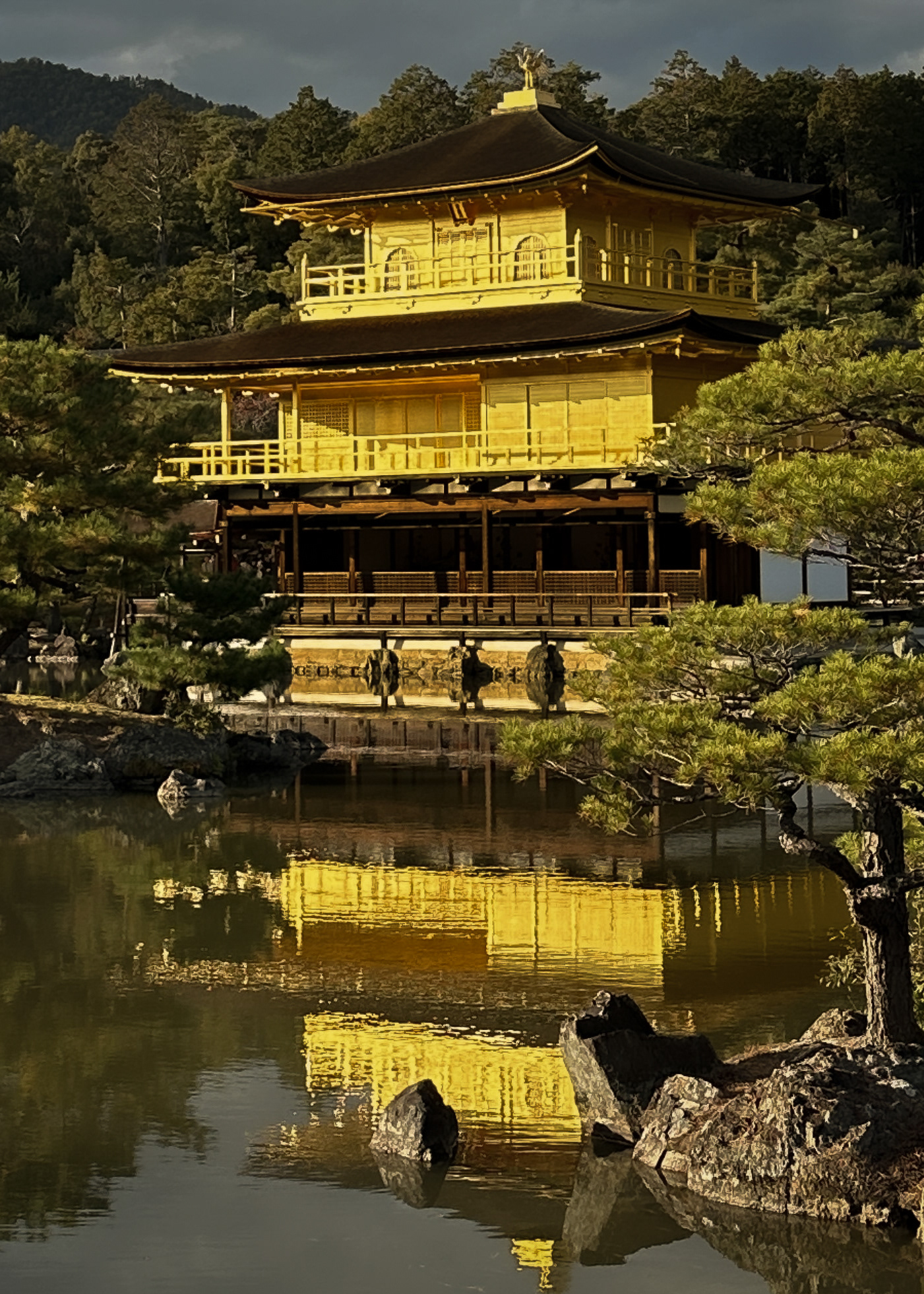
The Gold Temple, Kyoto
Japan has a way of turning things on their head. Our daily movements are interpreted through an ancient culture, rethought and changed.
Even the direction in which you move is opposite, and yet, it feels familiar. Perhaps because it connects back to roots older than what we normally call civilisation.
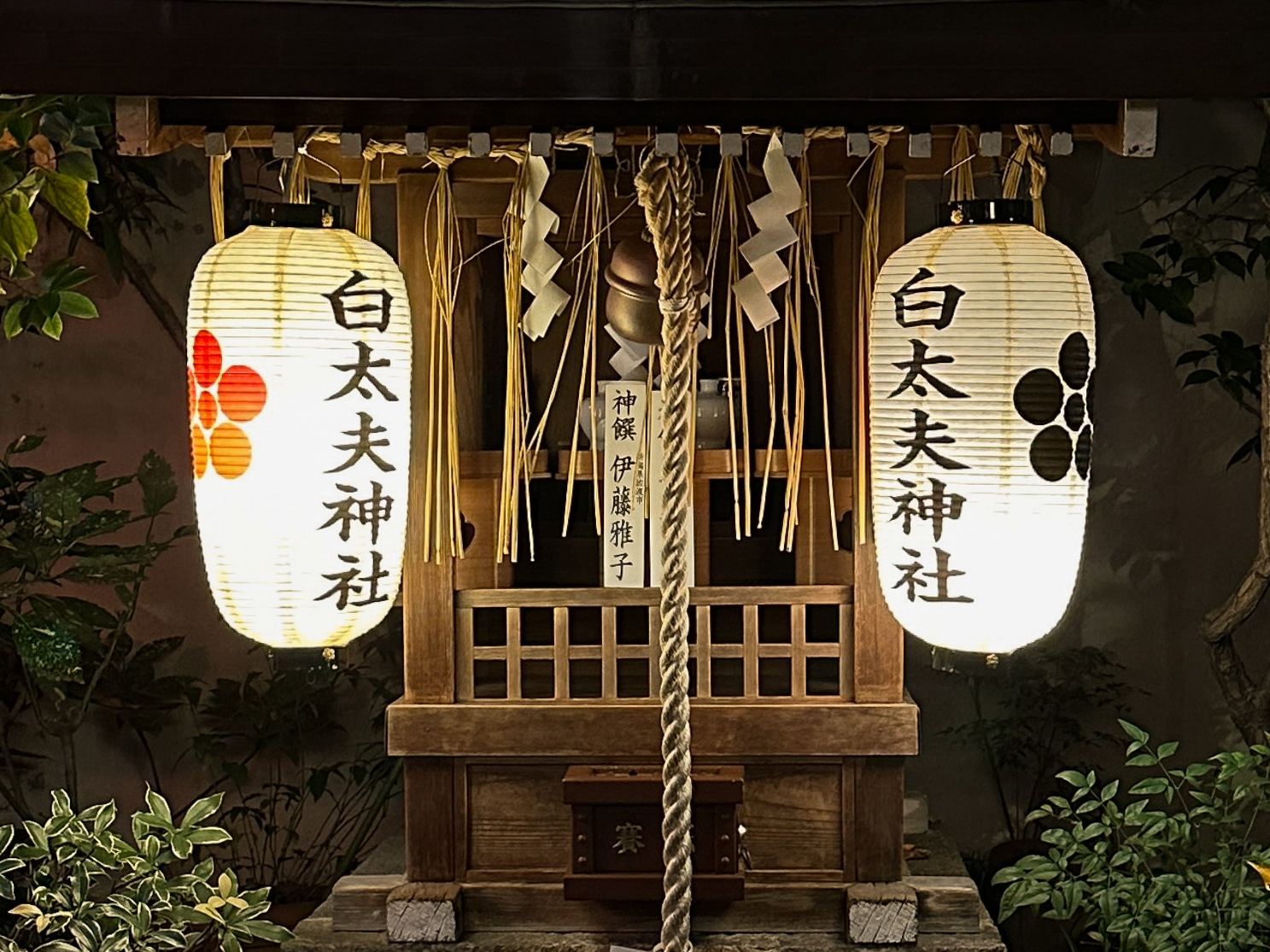
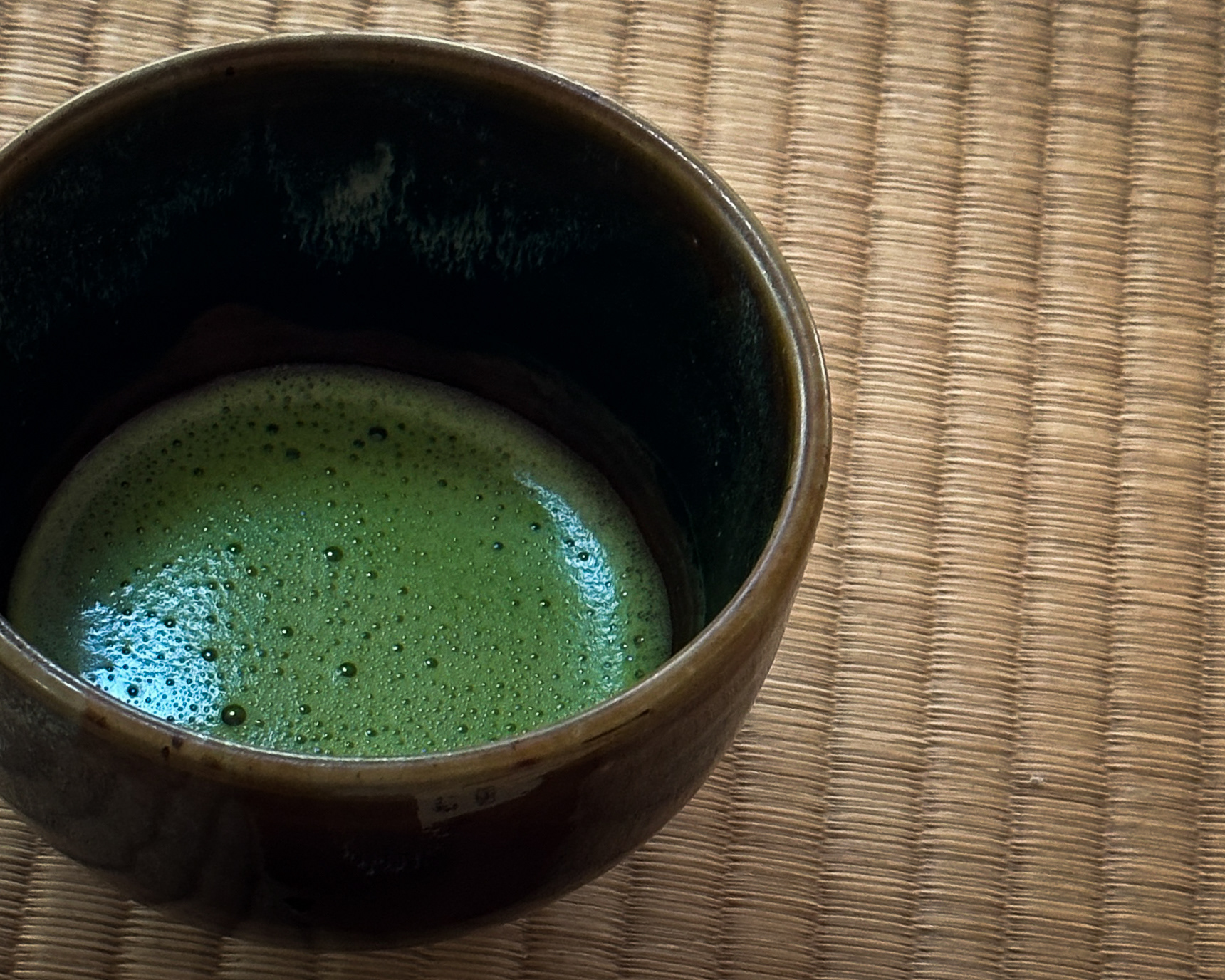
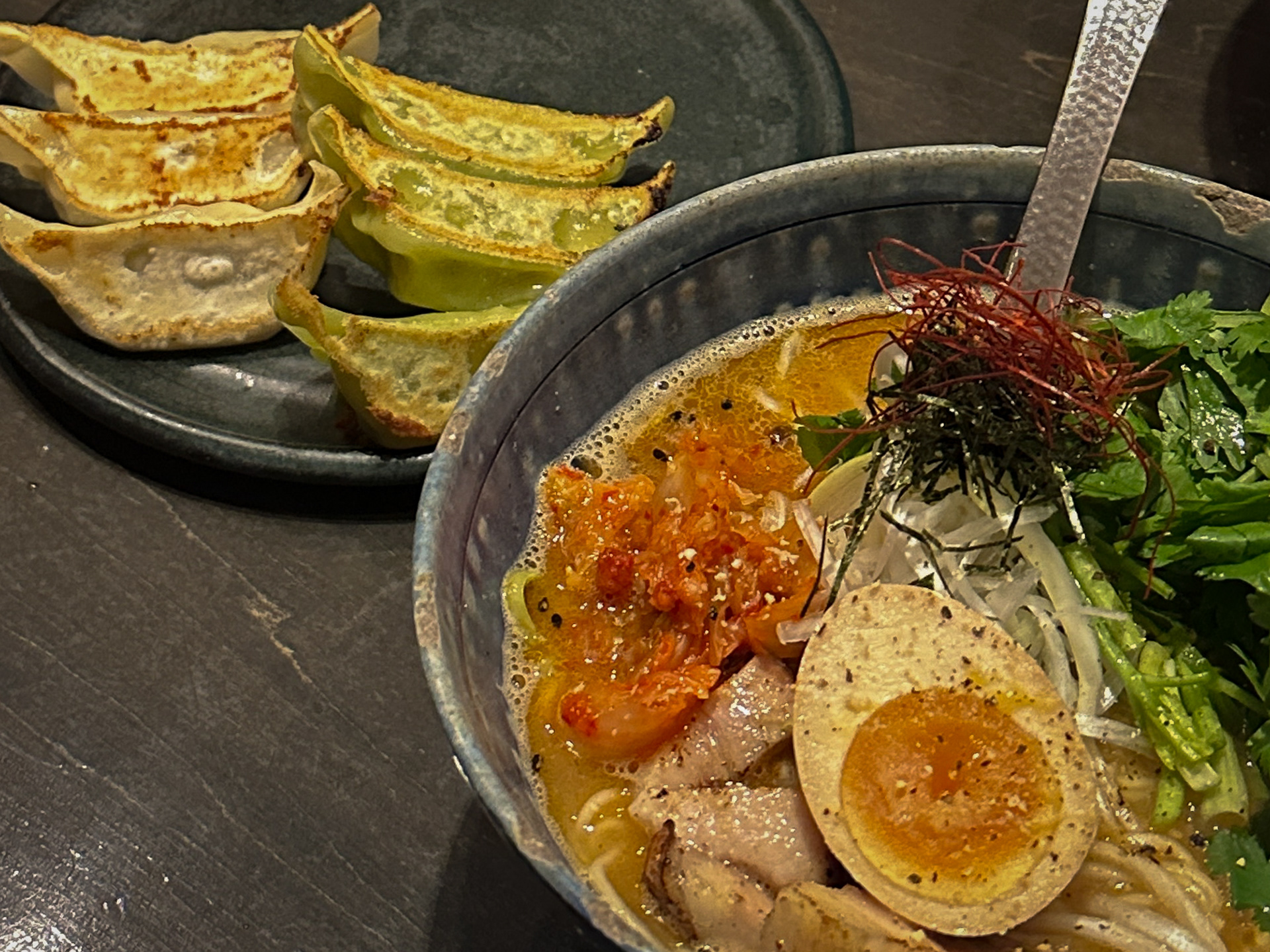
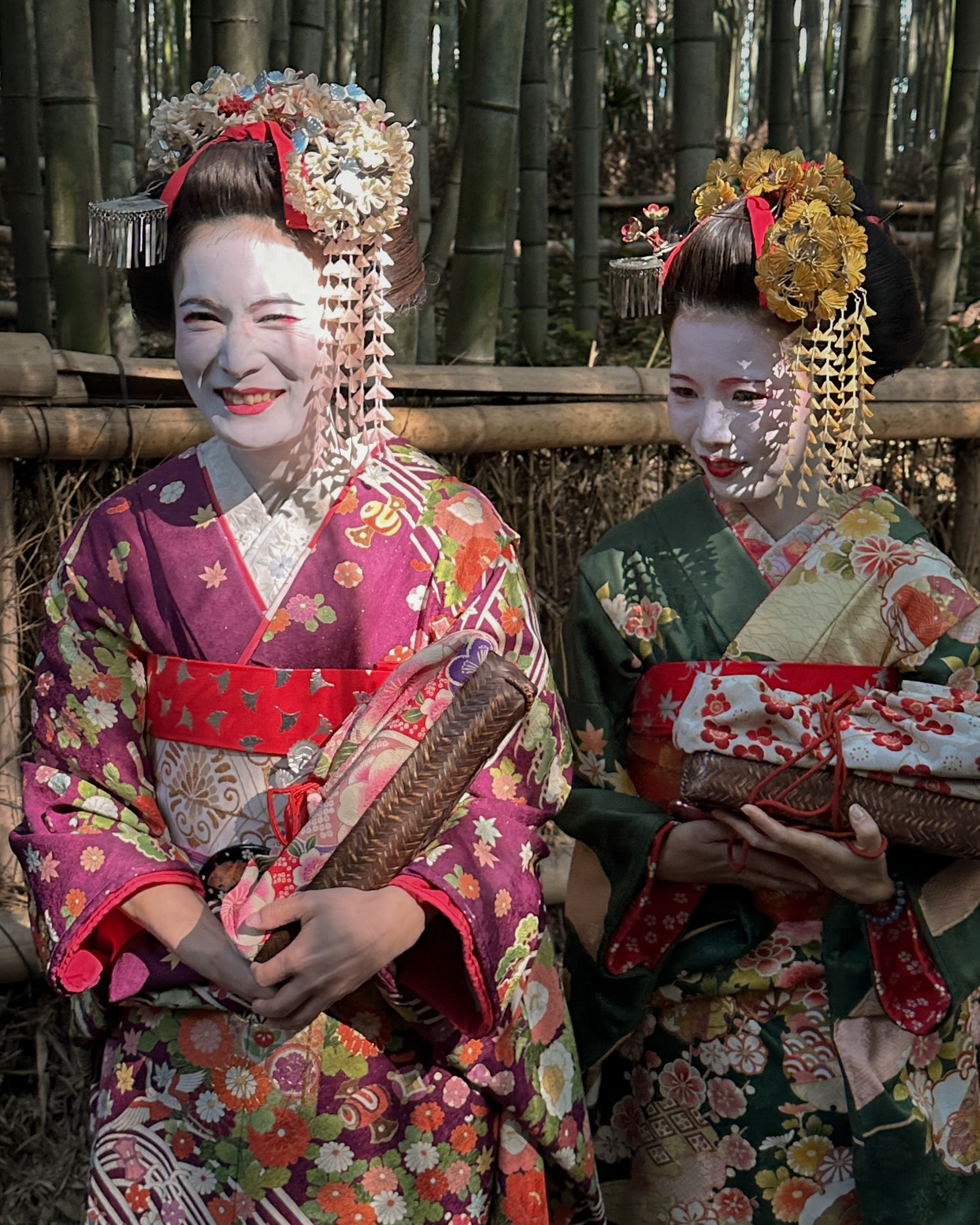
Remembering your ancestors becomes an honor. Drinking your daily tea becomes a ritual. Enjoying your evening ramen becomes an opportunity to reflect, table for one in elaborate rows. You may have no way of communicating with the waiter or the chef, and yet, you understand each other.
Mutual respect is the very fabric of which the Japanese society is weaved. No tips are expected, as pristine service is the perceived standard. The streets are void of trash bins, yet not a single piece of rubbish clutters the pavement. Train rides are performed in silence with a notorious caution not to get in anyone else's way.
In most subways you'll see more open books than lit-up phones.
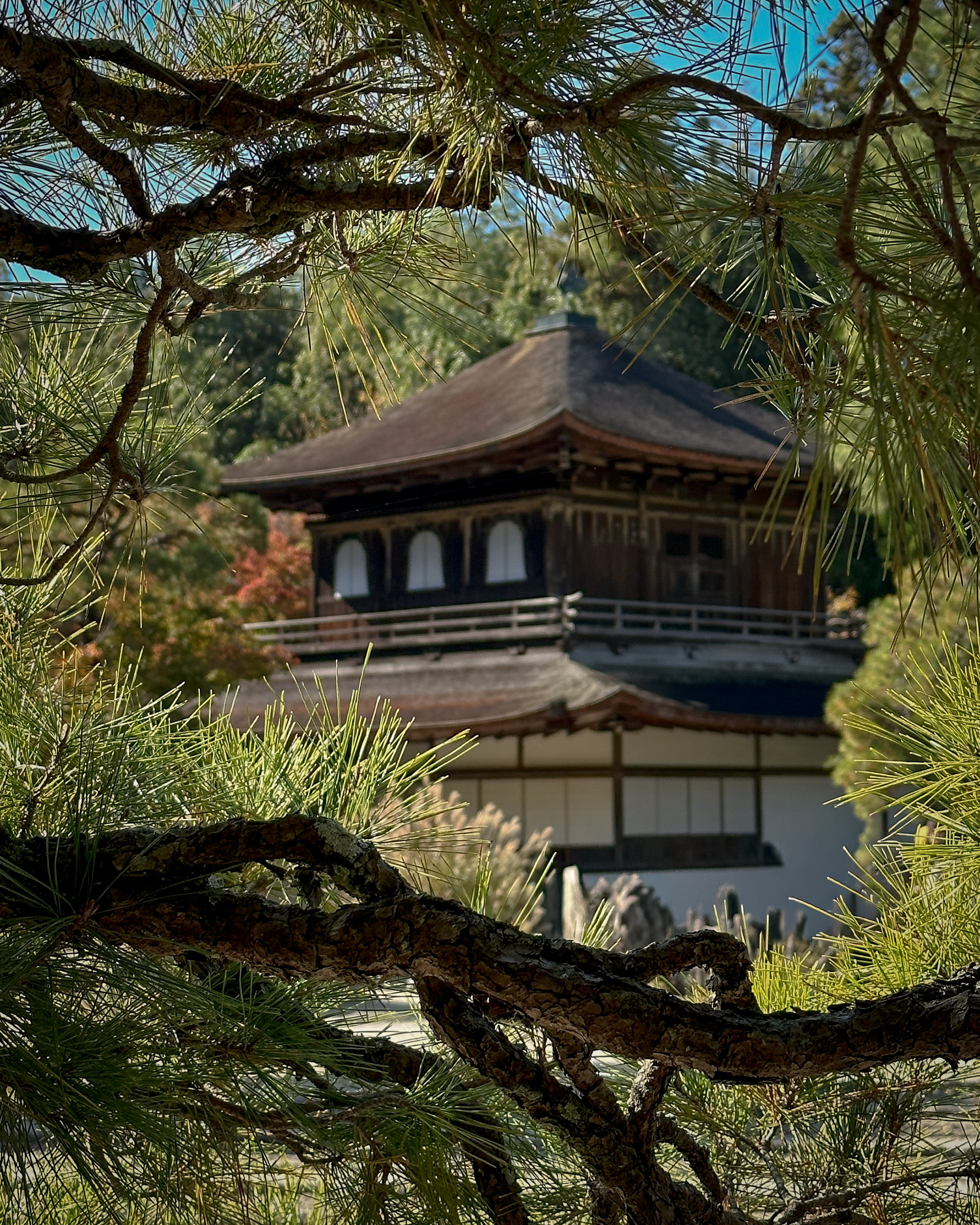
The Silver Pavilion, Kyoto
As the former capital of Japan and home to the Emperor and his family, Kyoto still holds a well-preserved heritage dating back to the birth of the nation. It's a small place compared to the buzzing metropoles of Tokyo and Osaka, yet it holds more than one thousand temples, as well as an abundance of tranquil zen-gardens.
Ginkaku-ji, or The Silver Pavilion, with its adjacent moss-garden is one of many pockets of serene green spread throughout the valley of Kyoto. For a more immersive experience, one may take a train to the mountains north of the city, where hiking trails twists through old woods and offer breathtaking views of the surrounding lands.
To any creative, the richness of Japan serves as well of inspiration. As I wander through the woods, sensing the sunset around me more than seeing it, I bring my fingertips to my temples. My thoughts seem slower, too.
What most endears me about the air of the country is the silence that reigns, the silence. Silence that is both admired, administered, and altruistic.
It is that stillness that moves me.